
How to Budget for Unexpected Expenses: A Financial Safety Guide
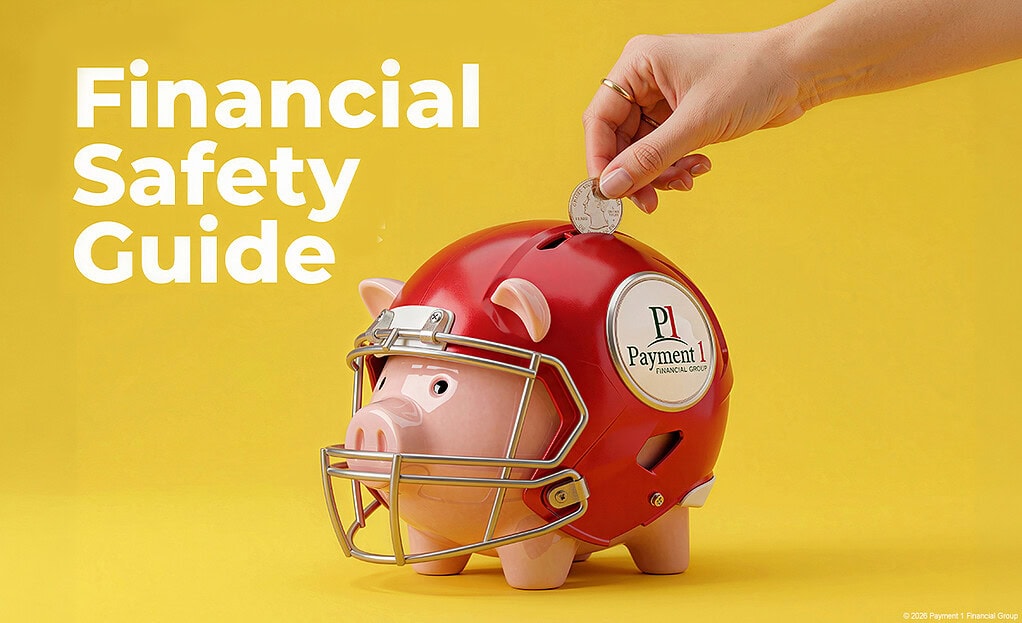
Key Takeaways
- Expect the Unexpected: Financial emergencies like car repairs, medical bills, or home maintenance catch nearly 37% of Americans off guard without a cash cushion.
- Build a Starter Fund: Aim for an initial $500 to $1,000 starter emergency fund, scaling toward three to six months of essential living expenses.
- Leverage Automation: Setting up automatic transfers on payday removes decision fatigue and makes consistent saving effortless.
- Explore Reliable Options: If an emergency strikes before your savings are ready, reputable short-term solutions like personal loans from Payment 1 can provide fast, same-day funding across Texas, Oklahoma, New Mexico, and Missouri.
Life has a way of throwing costs at you when you least expect them. A car breaks down on a Monday morning. A tooth cracks on a holiday weekend. A pipe bursts in the middle of winter. These are not rare events—they happen to millions of Americans every year, and most people are not financially ready when they do. Learning how to budget for unexpected expenses is one of the most important steps you can take to protect yourself and your family from financial stress.
This guide walks you through everything you need to know: why emergency planning matters, how much to save, practical ways to build your fund, and what to do if a crisis hits before you feel ready.
Why Planning for Unexpected Expenses Matters
Most financial emergencies do not announce themselves. They arrive without warning and demand immediate attention, which is exactly what makes them so disruptive to a household budget. When you are not prepared, even a $500 expense can send you scrambling for options—and often into high-interest debt.
The numbers paint a clear picture. According to economic well-being reports, nearly 37% of American adults would struggle to cover an unexpected $400 expense using cash or its equivalent. That means roughly one in three people are one small emergency away from a financial setback. For larger expenses like major car repairs or a hospital visit, the strain is even greater.
Beyond the dollars and cents, there is a real emotional cost to being financially unprepared. Anxiety, stress, and relationship tension often follow unexpected expenses when there is no cushion to fall back on. On the other hand, people who maintain even a modest emergency fund report feeling more confident, less stressed, and more in control of their financial lives. Building that cushion is not just smart money management—it is a genuine quality-of-life improvement.
Common Types of Unexpected Expenses
Understanding what kinds of costs tend to catch people off guard is the first step in planning for them. While no two emergencies are identical, most fall into a handful of predictable categories.
Medical and Healthcare Costs
Medical emergencies are among the most common and most expensive surprises a household can face. An emergency room visit in the United States costs an average of $1,200 to $2,500 or more, depending on the situation and your insurance coverage. Urgent care visits, while less expensive, can still run $150 to $300 out of pocket. Prescription costs for unexpected illnesses or injuries add up quickly on top of that.
Dental emergencies are another area where people get blindsided. A cracked tooth, an infected root canal, or a broken crown can cost anywhere from $500 to $1,500 or more—and most dental insurance plans have strict annual limits. Vision care needs, including emergency eye exams or replacement glasses, can add another few hundred dollars to the bill without warning.
Vehicle Repairs and Breakdowns
Your car is often your lifeline to work, school, and daily life, which makes vehicle breakdowns especially stressful. According to automotive data, the average cost of a major car repair in the United States ranges from $500 to $1,500, with some engine or transmission issues running well over $3,000. Even a blown tire or a failed battery can set you back $150 to $300 when you factor in parts and labor.
Towing charges are easy to overlook until you need them. A standard tow within a few miles typically costs $75 to $125, and long-distance towing can easily reach $300 or more. If you do not have roadside assistance coverage through your auto insurance or a membership program like AAA, these costs come entirely out of pocket.
Home Maintenance and Repairs
Homeowners face a unique set of unexpected costs that renters generally do not. HVAC failures are one of the most expensive surprises—a full system replacement can cost $4,000 to $10,000 or more, though repairs for specific components like a failed compressor or blower motor may run $500 to $2,000. In Texas, Oklahoma, Missouri, and New Mexico, where seasonal temperature extremes are common, a broken air conditioner or furnace is not just uncomfortable—it can be a health risk.
Plumbing issues, roof damage, and appliance replacements round out the list. A burst pipe can cause thousands of dollars in water damage before it is caught. A roof repair after a storm might cost $500 to $1,500 for a patch or significantly more for full sections. When a refrigerator, washer, or water heater fails, replacement costs typically range from $400 to $1,200 depending on the appliance and brand.
Family and Personal Emergencies
Not every emergency involves a broken object or a medical bill. Sometimes you need to travel suddenly because a family member is ill or has passed away. Last-minute flights and hotel stays can cost $500 to $2,000 or more depending on where you are going and how quickly you need to get there.
Pet medical care is another cost many households forget to plan for. Veterinary emergencies—a dog that eats something toxic, a cat that needs urgent surgery—can easily run $500 to $3,000 or more. Job loss or a sudden reduction in work hours is perhaps the most significant personal emergency of all, as it affects your ability to cover every other expense in your budget simultaneously.
How Much Should You Save for Emergencies?
The most widely recommended target for emergency fund savings is three to six months of essential living expenses. This range gives you enough runway to cover a job loss, a major medical event, or a combination of smaller emergencies without having to take on debt or deplete long-term savings.
To calculate your personal target, add up your monthly essential costs: rent or mortgage, utilities, groceries, transportation, insurance premiums, and minimum debt payments. If your monthly essentials total $2,500, your three-month target is $7,500 and your six-month target is $15,000. If those numbers feel overwhelming right now, that is completely normal—the key is to start building and stay consistent.
Starting small is not only acceptable; it is often the most sustainable approach. Even saving $25 or $50 per paycheck adds up meaningfully over time. Many financial advisors suggest setting an initial goal of $1,000 as a starter emergency fund before working toward the full three-to-six month target. That $1,000 covers a large percentage of common emergencies and gives you a real psychological boost to keep going.
Regional cost of living plays a real role in how much you need to save. In Texas, Oklahoma, Missouri, and New Mexico, the average cost of living tends to be lower than in many coastal cities, but that does not mean emergencies are cheap. Housing costs in cities like Dallas, Oklahoma City, Kansas City, and Albuquerque have risen significantly in recent years. Factor in your actual local expenses—not national averages—when setting your target.
Practical Strategies to Build Your Emergency Fund
Knowing how much to save is one thing. Finding the money to actually save it is where most people get stuck. The good news is that there are practical, proven ways to build emergency fund savings even on a tight budget.
Automate Your Savings
Automation is one of the most effective tools for building savings because it removes the decision entirely. Set up an automatic transfer from your checking account to a dedicated savings account on every payday—even if it is just $25 or $50. When the money moves before you have a chance to spend it, you adapt your spending to whatever is left rather than trying to save what remains at the end of the month.
Treat this transfer the same way you treat a bill. It is not optional, it is not something you skip when things feel tight, and it comes first before discretionary spending. This mindset shift—from saving whatever is left to saving first and spending what remains—is one of the core habits of people who successfully build financial resilience.
Reduce Non-Essential Spending
Take a close look at your monthly expenses and identify areas where you can temporarily cut back. Streaming subscriptions, dining out, impulse purchases, and unused gym memberships are common culprits. You do not have to eliminate everything enjoyable from your budget—even trimming $75 to $150 per month in discretionary spending can accelerate your savings meaningfully.
Budgeting apps or a simple spreadsheet can help you track exactly where your money goes each month. Many people are genuinely surprised by how much they spend in specific categories once they see it laid out clearly. Awareness is often the first and most powerful step toward better spending habits.
Increase Your Income
If cutting back is not enough to reach your savings goals, look for ways to bring in additional income. Side hustles like food delivery, freelance writing, rideshare driving, or tutoring can add $200 to $500 or more per month depending on how much time you have. Even a few extra shifts per month at a part-time job can make a significant difference.
Selling unused items—old electronics, clothing, furniture, or sports equipment—is another fast way to inject cash into your emergency fund. Tax refunds are another valuable opportunity: rather than spending a refund on something discretionary, directing it straight into your emergency savings can give your fund a substantial boost in a single move.
Use Windfalls Strategically
Any money you receive outside of your regular paycheck is an opportunity to accelerate your emergency savings. Bonuses, tax refunds, birthday gifts, overtime pay, or insurance reimbursements can all be directed partially or fully toward your fund. One simple framework is the 50/30/20 split for unexpected money: put 50% toward savings or debt, use 30% for something enjoyable or necessary, and hold 20% for immediate household needs.
Creating a Monthly Budget That Includes Emergency Savings
A budget that does not include emergency savings is incomplete. It plans for the predictable and ignores everything else—which is exactly where most people get into financial trouble.
Zero-based budgeting is one approach worth considering. In a zero-based budget, you assign every dollar of your income to a specific category—including savings—until your budget reaches zero. This does not mean spending everything; it means giving every dollar a purpose. Your emergency savings line item gets treated with the same weight as rent or groceries.
Seasonal expenses are easy to overlook in a monthly budget but cause real problems when they arrive. Back-to-school shopping, holiday gifts, car registration fees, and annual insurance premiums all fall outside the typical monthly rhythm. Build these into your budget by estimating their annual cost and dividing by 12, setting aside that monthly amount so the expense is already funded when it arrives.
Always prioritize essential expenses first: housing, utilities, food, transportation, and insurance. Once those are covered, savings come next, followed by debt minimums, and then discretionary spending.
What to Do When an Emergency Happens Before You’re Ready
Not everyone has a fully funded emergency fund when a crisis hits. If that is where you are right now, you are not alone—and you have options.
Assess the True Urgency
Before spending money or taking on debt, take a few minutes to assess whether the expense is truly urgent. Ask yourself whether this is a need or a want, and whether it can reasonably be delayed by even a few days or weeks. A car repair that prevents you from getting to work is urgent. New tires that are worn but technically functional might be something you plan for over the next 30 to 60 days.
Explore Payment Plans
Many service providers—including hospitals, dental offices, auto repair shops, and utility companies—offer payment plan options that allow you to spread a large expense over time. A simple phone call to the billing department can sometimes reduce a bill significantly or spread it over several months at zero interest. This is one of the most underused tools in personal finance, and it costs nothing to ask.
Consider Short-Term Financial Solutions
When a genuine emergency cannot wait and you have no savings to cover it, a personal loan can be a practical short-term solution—if used responsibly. Personal loans make the most sense when the cost of the loan is less than the cost of not addressing the emergency, such as losing your job because your car cannot be repaired.
Before taking a loan, understand the full terms: the interest rate, repayment period, monthly payment amount, and any fees. A loan that fits comfortably into your monthly budget prevents further stress. Payment 1 offers personal loans starting at $500 (with maximums depending on your state of residence, credit history, and income), featuring same-day funding across Texas, Oklahoma, Missouri, and New Mexico. We believe you are more than just a credit score, making it easier to secure funds when a real emergency strikes.
Protect Your Credit Score
Financial emergencies can put pressure on your credit score if bills go unpaid. The best thing you can do in a tough situation is communicate proactively with your creditors before you miss a payment. Many lenders have hardship programs that allow for temporary payment deferrals or reduced minimum payments.
How to Recover Financially After an Unexpected Expense
Once the emergency is handled, the next step is getting your financial footing back. Recovery is not always fast, but it is always possible with a clear and consistent approach.
- Rebuild the Cushion First: Before resuming aggressive debt payoff or other savings goals, get your emergency fund back to at least a $1,000 starter baseline to protect against compounding shocks.
- Review What Happened: Analyze whether your emergency fund target is realistic for your household risks.
- Celebrate Progress: Financial recovery takes time. Mark milestones—reaching $500, then $1,000, then one month of expenses saved—to stay motivated.
Frequently Asked Questions
What qualifies as an unexpected expense?
An unexpected expense is any cost you did not plan for in your regular budget and that requires immediate or near-immediate payment. Common examples include medical emergencies, car breakdowns, home repairs, job loss, and urgent travel. The key distinction is that these expenses were not anticipated and cannot be easily delayed.
How quickly can I build an emergency fund on a tight budget?
It depends on how much you can consistently set aside each month. Saving $50 per month gets you to $600 in a year, while saving $100 per month reaches $1,200. Even small, regular contributions build meaningful protection over time. Starting with a $500 or $1,000 goal makes the process feel achievable and covers the most common smaller emergencies.
Should I pay off debt or save for emergencies first?
Most financial advisors recommend building a small starter emergency fund of $500 to $1,000 before aggressively paying down debt. Without any savings, even a minor unexpected expense forces you right back into borrowing. Once you have that initial cash cushion, focus on high-interest debt while maintaining steady contributions to your emergency fund.
What if I need money immediately and have no savings?
Start by verifying whether the expense can be delayed. If not, explore payment plans with service providers or look into personal loans from a reputable lender. Payment 1 provides personal and title loans starting at $500 with same-day funding across Texas, Oklahoma, Missouri, and New Mexico to help cover genuine emergencies safely and quickly.
Can I use a personal loan to cover emergency expenses?
Yes, a personal loan can be a responsible option for covering genuine emergencies—particularly when the alternative is missing work, leaving a health issue untreated, or incurring higher costs from inaction. The key is to borrow only what you need, understand the repayment terms completely, and ensure the monthly payment fits comfortably into your budget.
Secure Your Financial Future with Payment 1
Building an emergency fund takes time, discipline, and planning. While consistent saving is your best defense against life’s uncertainties, unexpected costs can sometimes outpace your current savings balance.
If you are facing an urgent financial need in Texas, Oklahoma, Missouri, or New Mexico, Payment 1 is here to help. With personal and title loan amounts starting at $500, flexible terms, and same-day funding options, we make getting financial support fast, transparent, and stress-free.
Apply online today or visit one of our local branches to get the financial boost you need!





 English
  Spanish